Cultural Tapestry of Farewell: Traditions, Community, and Honor in Indian Farewell Rites
Wiki Article
Within the vibrant subcontinental heritage of India, customs dedicated to celebrating a completed life reflect a deep commitment to social solidarity. From rural villages to major cultural hubs, the traditions associated with honoring an individual's earthly chapter combine artistic beauty, historical reverence, and communal harmony. Far from viewing departure with isolated sorrow, these customs serve as a vital cultural bridge, fostering hospitality, deepening community ties, and upholding generational respect. The immediate hours following a person's passing are observed with attentive care and respect. Close relatives assemble to carry out customary washing and dressing that have been refined over centuries. The individual is wrapped in pristine ceremonial textiles that reflect regional dress customs. In many traditions, classic white attire is selected, representing equality, calm reverence, and timeless grace. In other regional communities, festive cultural cloths are selected to celebrate an elder's wisdom and societal contributions. Fresh blossoms and natural garlands form a central element throughout this artistic setup. Fresh garlands crafted from bright orange marigolds, sweet-scented jasmine, pristine lotus blossoms, and colorful roses are carefully arranged around the individual. This floral art serves a profound purpose; they express the collective affection and high esteem of the community. The delicate use of natural sandalwood, rosewater, and native herbs further highlights the aesthetic elegance and loving care embedded within the home-based preparations. A deeply moving and visually distinctive element in regional subcontinental customs is the organized neighborhood procession from the household to the local ceremonial grounds. Understood as a public gesture of unity, this peaceful walk along shared streets unites the broader neighborhood in mutual support. Community members, distant relatives, and lifelong friends assemble outside the domestic residence, wearing simple white traditional attire showing total unity, equality, and shared respect. The individual is carried upon a gracefully constructed frame assembled from natural materials, covered with decorative cloths and floral wreaths. As the procession moves through the streets, members of the community step forward to take turns carrying the frame upon their shoulders. This hands-on participation represents a meaningful tradition of communal respect, symbolizing that no family carries the weight of a farewell alone. Across numerous localities, the gentle chiming of bells and melodic flutes accompanies the procession, creating a rhythmic and dignified atmosphere that informs the local district of a completed life journey. Rich regional contrasts show up distinctly within the distinct farewell practices found across states and communities. While core values of respect and community remain universal, the visual and artistic details differ wonderfully across different climatic, geographic, and cultural zones. Once the initial rites conclude, family life shifts into a structured phase of quiet reflection, generally spanning ten to thirteen days. During this timeframe, the household remains open as a hospitality space for visiting friends, distant relatives, and community members who drop in to share comfort and honor the family. Serving visitors during these days is a cherished cultural duty. Wholesome vegetarian dishes are cooked continuously to feed visiting neighbors, family, and travelers. This tradition of sharing meals fosters deep emotional connection, encourages the sharing of fond memories, and ensures that the grieving household is fully supported with daily necessities by the broader social network. The closing of the formal hosting phase is celebrated with an extended neighborhood meal. Elders speak about the individual's life legacy and community service, passing down valuable life lessons to youth. Generous community donations—such as donating clothing to community members, distributing food to those in need, or supporting local educational initiatives—are carried out to celebrate the person's legacy, reinforcing the value of community service and social responsibility.
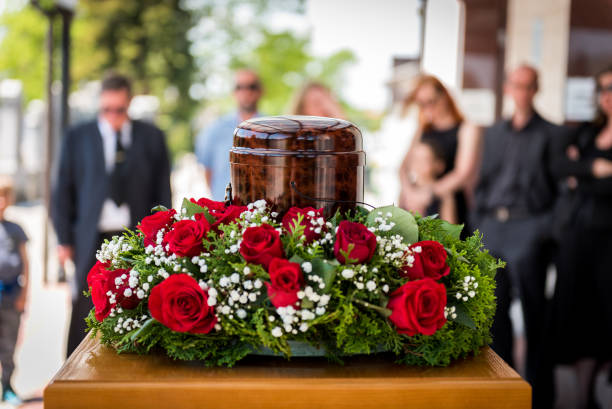
Dead Body Transportation in Pune Traditional communities in India meet this final transition with warm hospitality and deep cultural devotion. From the vibrant rural villages to the bustling urban centers, the active participation of the surrounding community serves as the primary pillar of support. These observances provide a structured cultural framework where loved ones share comfort, honor lived memories, and preserve personal accomplishments.
Dignified Preparation and Family Care
The White Procession: Community Solidarity in Motion
Cultural Feature
Primary Material
Cultural Significance
Attire
Unadorned White Textiles
Symbolizes social equality, peace, and community unity.
Resting Platform
Natural Bamboo and Rattan
Reflects connection to nature and traditional craftsmanship.
Wreaths
Native Sweet Blossoms
Represents honor, aesthetic beauty, and respect.
Herbal Preparations
Sandalwood Paste and Rosewater
Ensures sensory grace and natural care.
Subcontinental Diversity in Farewell Customs
Muktidham Crematory No matter if the community practices gentle earthen burial or ceremonial fire rites, the practice remains deeply rooted in local philosophy of offering the individual back to nature's elements with complete respect for the earth and ancestral eco-friendly customs.
Communal Hospitality and Memorial Traditions
Final Reflections: Honor, Artistry, and Unity
Wilson Garden Electric Crematorium The funeral customs of India offer a rich tapestry of deep-seated hospitality, cultural elegance, and mutual care. Through turning a time of loss into an honorable display of community unity, these practices highlight the power of family bonds and social networks. By combining fragrant floral arts, dignified processions, local customs, and charitable giving, Indian culture honors the journey of the individual and keep their rich social fabric alive for years to come.